Discoverwhat's possible.
We help you figure out what's next. Then we help you build it.
AI is changing what's possible for businesses and the software they depend on. The opportunity is enormous. Knowing where to begin, and which direction is worth pursuing, is far more difficult.
Venture Maker combines business insight, product strategy and engineering expertise to help you identify valuable opportunities, evaluate your options and determine what comes next.
It starts with an introductory conversation. Discovery itself is a scoped engagement, with its terms set out in a written proposal.
- Business intent
- What's possible
- An evaluated direction
Extraordinary potential. Unclear direction.
Organizations are being told that AI will transform their businesses and their software. Understanding the opportunity is different from knowing how to act on it.
What's possible?
What new capabilities, processes, products or engineering approaches become practical with AI?
How do we get there?
What has to change in our business processes, systems, data, architecture and engineering organization?
We connect those questions.
Most advice answers one of them. Discovery works on both at once, because a direction is only worth pursuing if it is both valuable and achievable.
From possibility to informed decisions.
Discovery is a defined consulting engagement with one central question: what should we pursue? It investigates the organization, its intent, capabilities, workflows, technology, data and constraints, then develops and evaluates credible alternatives.
Opportunity
Identify where AI, modernization or a different way of building software could create meaningful business value.
Feasibility
Understand the business processes, technical systems, data, risks and dependencies that shape what is realistic.
Direction
Evaluate credible alternatives and establish a justified basis for the next investment decision.
Discovery delivers standalone value whether or not Venture Maker performs the engineering that follows.
A disciplined approach to discovery.
Discovery is powered by the early phases of ASCEND, the methodology behind every Venture Maker engagement. The same phases that connect business intent to engineering reality in a full initiative do that work here, at the depth the question needs.
ASCEND
AI-Native Software Creation, Engineering & Delivery
AI accelerates the research, analysis, requirements recovery and option development. People validate business meaning, weigh the evidence and approve the decisions. Every consequential choice is documented, so the rationale travels with the work.
The ASCEND phases Discovery works within
Phase 0
Business Intent
Why does the organization need to do this?
Understand the business objectives, desired outcomes, constraints and opportunities.
Phase 1
Product Definition
What problem are we solving, for whom, and what does success mean?
Establish the capability needs, the users affected and the opportunity hypotheses.
Phase 2
Business Architecture
How does the business capability work today and how should it work in the future?
Understand how the business operates: its processes, capabilities and dependencies.
Phase 3
Requirements
What must the software do?
Identify high-level needs, known business rules, constraints and requirements gaps.
Phase 4
Analysis
How does the problem domain actually work?
Examine existing systems, data, workflows, dependencies, risks and feasibility.
Phase 5
Product Design
What product solution should we build?
Develop, compare and validate alternative product or capability directions.
Evaluated options
Discovery ends in validated options, not a single finalized design. Each alternative is tested against the business and technical evidence available, its assumptions and limits are documented, and what still needs investigation is named.
- AI accelerates
- Research, analysis, requirements recovery and the development of options.
- People govern
- Business meaning is validated, evidence is weighed and decisions are approved by the people accountable for them.
These phases are applied proportionately, for opportunity evaluation. Discovery does not complete every phase contract or exit condition. Detailed requirements, product design and architecture belong to the work that follows a decision.
- 0Business Intent
- 1Product Definition
- 2Business Architecture
- 3Requirements
- 4Analysis
- 5Product Design
Evidence you can act on.
Discovery concludes with the Opportunity & Options Assessment: an evidence-based decision package that helps leadership decide what to pursue next.
It is written to stand on its own. The assessment names a recommended direction where the evidence supports one, keeps meaningful alternatives in view and exposes the assumptions that remain unresolved. The consequential investment decisions stay with you.
What Discovery does not promise
- A finalized software solution
- A completed, implementation-ready business requirements document
- A complete technical requirements document or a detailed target architecture
- Finished UX and UI designs, a fully specified delivery backlog or a committed implementation roadmap
- Production software
Those belong to the Define and Deliver stages that can follow, once you have chosen a direction.
Opportunity & Options Assessment
An illustrative structure. Sections are selected as relevant to the engagement's scope; not every section is produced in full on every engagement.
What we found
- Business objectives and success criteria
- Business capability and process findings
- Current-state systems and data observations
- AI and modernization opportunity map
What is possible
- Alternative approaches and capability concepts
- Comparative business value, feasibility, risks and dependencies
- Supporting evidence, assumptions and unresolved questions
What we recommend
- Recommendations and rationale
- Decisions required before proceeding
- Suggested scope for further Definition work
Discover. Define. Deliver.
Three commercial engagement stages, each scoped on its own. They are not ASCEND phases and do not replace them: each stage applies the phases its work needs.
Discover
What should we pursue?
Investigate opportunities, understand existing systems, evaluate alternatives and develop the evidence for an investment decision.
Output
Opportunity & Options Assessment
Your decision
Proceed, pause or stop. The assessment is yours either way.
Define
What exactly should we build, and how?
Once you choose a direction: validate the detailed business requirements, establish a delivery-ready requirements baseline, develop the technical requirements and architecture, resolve the important design decisions and define an implementation-ready scope.
Output
Approved requirements and a technical design baseline for the selected work
Deliver
Build it. Validate it. Operate it.
Engineer and integrate the solution, test its behavior against the approved requirements, deploy it and establish operational readiness.
Output
Working, validated software
Strategy that understands engineering.
Many advisors can identify opportunities. Many engineering firms can implement a specification. Venture Maker connects the work.
We combine business analysis, product definition, software architecture, engineering and AI-native delivery in one practice. That means we understand not only what might be valuable, but what it could take to create it.
Discovery is informed by real implementation experience rather than separated from it. Every option we put in front of you has been weighed against how it would actually be built.
What Discovery draws on
- Business analysis
- Product definition
- Software architecture
- Software engineering
- AI-native delivery
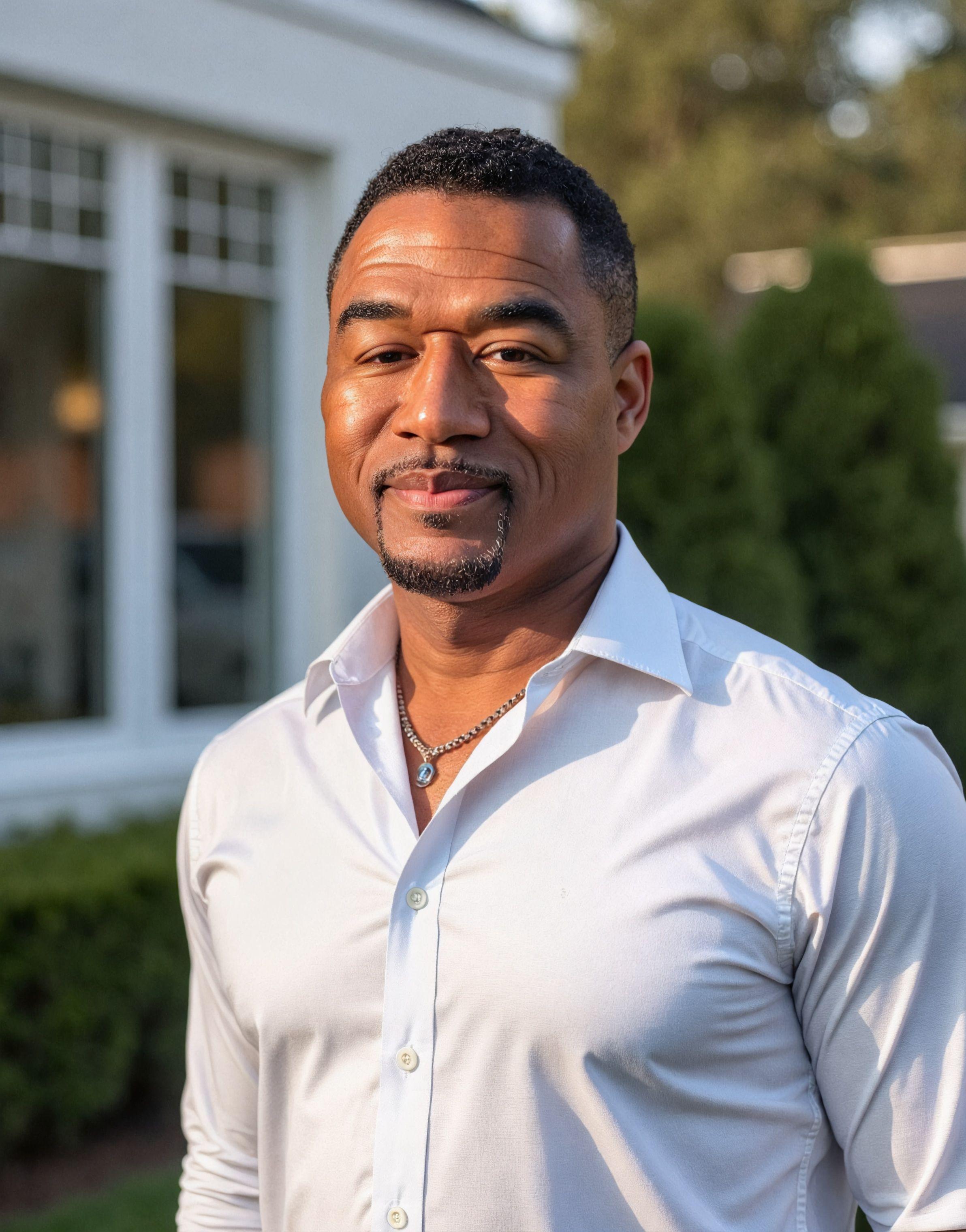
Engagements are led by Darryl Mack, Venture Maker's founder and the creator of ASCEND, who brings more than two decades of designing, architecting and delivering software to the work. Delivery responsibilities and team composition are then defined around the scope, complexity and outcomes of the initiative.
Darryl MackFounder & Engagement Lead
Questions before you start.
Is this an AI readiness assessment?
Not in the conventional sense. Discovery evaluates concrete business, product, modernization or engineering opportunities and the feasibility of alternative directions. It is an investigation into what you should pursue, not a score.
Is the introductory conversation the start of Discovery?
No. The introductory conversation is free and carries no obligation. It establishes whether there is a fit and what scoping would involve. Discovery itself is a scoped engagement with its terms set out in a written proposal before work begins.
What if we already have business requirements?
Discovery can assess what exists and identify the gaps and risks. A capability list is not necessarily a validated set of requirements. Detailed requirements recovery and approval belong in Define.
Does Discovery include a technical design?
It includes enough technical investigation to evaluate the options and their feasibility. Detailed technical requirements and solution design are developed during Define.
Do we have to engage Venture Maker to build the solution?
No. The assessment is written to provide independent decision value. Venture Maker can continue into Define and Deliver if that is your preferred path.
How long does Discovery take?
It depends on the organization, the complexity of the question, access to systems and stakeholders, and the decisions required. Scope and duration are defined together and set out in the proposal.
Let's discover what's next.
The first step isn't choosing a technology. It's understanding the opportunity.
Venture Maker — Let's build what's next.